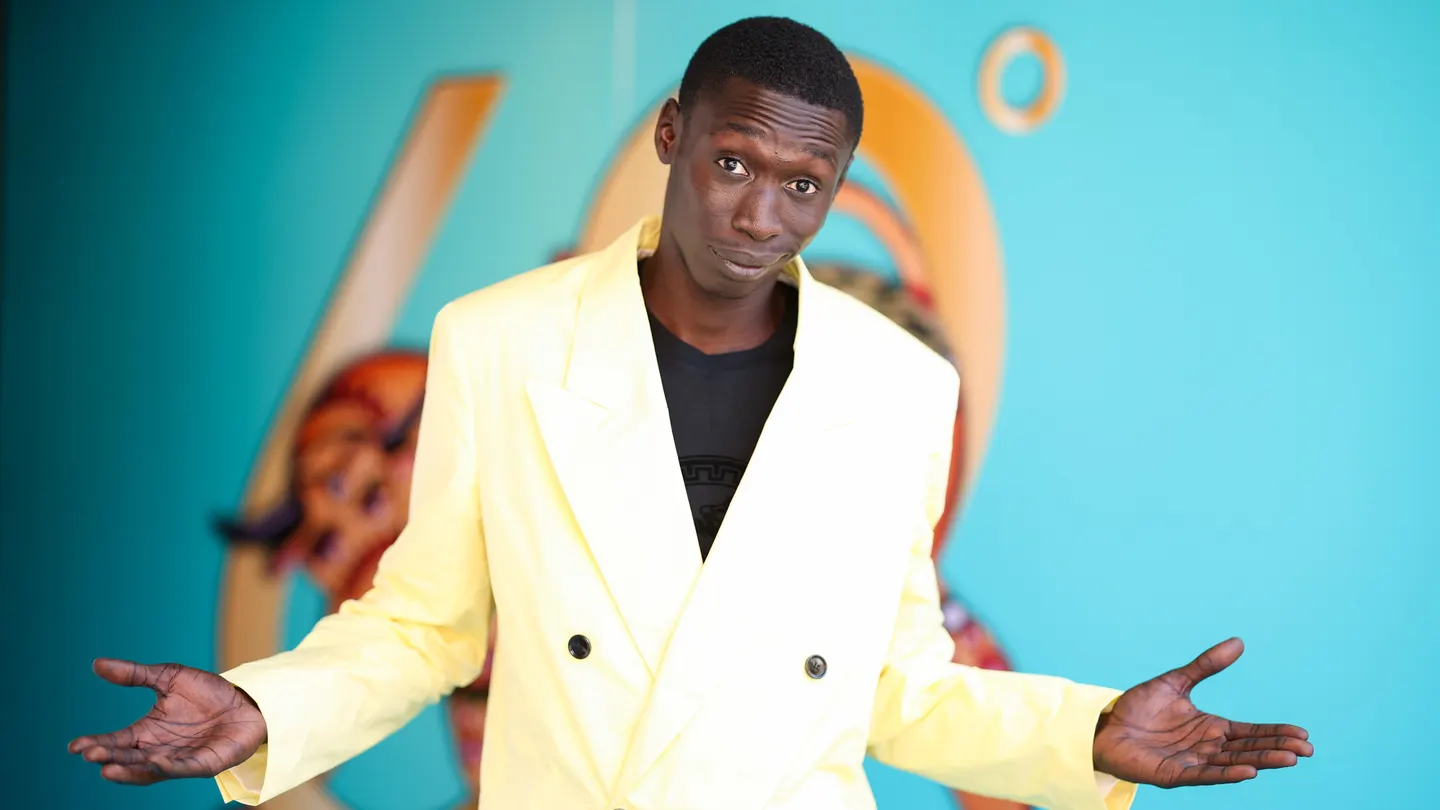
At the end of 2025, MrBeast was named the richest blogger. International publications estimated his fortune at $500–550 million. However, he didn’t hold the top spot for long. Recently, he was overtaken by Khaby Lame. The TikToker sold the rights to his likeness for three years, allowing a company to create an AI double of him for an astronomical $900 million.
It’s hard to imagine, but five years ago, the most popular—and now the richest—blogger had no job and couldn’t even afford rent.
“People told me to get a real job”
Khaby Lame was born in Africa, but when he was one year old, his parents emigrated to Italy. The family lived in poverty and couldn’t afford college. After finishing school, Khaby had no choice but to start working.
He got a job at a car factory. The pay was low, but he was happy with what he had. From childhood, he tried to see life optimistically and dreamed that one day his situation would change. In his free time, like many others, he posted photos online and scrolled through videos, but becoming a blogger was never on his mind.
Everything changed in 2020. During the pandemic, Khaby was laid off. If his job had at least allowed him to live separately from his parents, losing it forced him back into the family home, sharing a room with his younger brother. But, as it turned out, everything that happens is for the better.
“I was bored because I had so much free time, so I started making TikTok videos,” Khaby said in an interview.
While many new influencers sought the perfect background, bought lapel microphones, and set up extra lighting, Khaby only needed his phone’s front camera and the white wall of his room.
His first video was a prank “debunking.” Initially, he showed a clip where a girl’s foot was apparently trapped with a bike lock and she couldn’t get out. Then, without saying a word, Khaby showed that she could simply take off her shoe and escape easily.
He enjoyed filming reactions to other videos. Exploring TikTok, he discovered a treasure trove of bizarre and useless life hacks. Some suggested gluing two spoons together to eat soup instead of just turning it, others peeled bananas in complicated ways instead of using their hands.
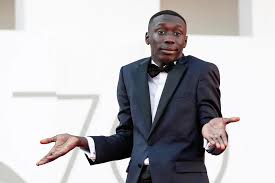
Khaby showcased all this “wisdom” to his followers, then silently demonstrated simpler ways to do things. In his early videos, he developed a signature gesture: spreading his arms as if to say, without words, “What’s so complicated?”
At first, Khaby’s videos didn’t get recommended much and received very few views. Friends and family watched with the same blank expression he reserved for “anti-life hacks,” saying that funny videos wouldn’t pay the bills.
“When I first started making videos, people told me to get a real job,” he recalls. “But I kept making them because I enjoyed it, even if nobody watched.”
“I became a hostage of expectations”
The more videos Khaby posted, the more they got recommended. Within a year, he gained tens of millions of followers; in two years, 146 million. What began as a hobby became a full-time output.
“I spend at least three hours a day searching for videos to parody. I try to be careful not to offend anyone and prefer lighthearted jokes,” Khaby admitted.
Popular brands took notice. He became the face of McDonald’s, HUGO BOSS, and many others. His first earnings were spent on education—English and acting courses.
“My dream is to become an actor and make people laugh,” he told an interviewer.
Khaby saved up for his own house and moved to the U.S. By then, hundreds of imitators had emerged, so he started inviting celebrities for collaborations and creating full sketches in addition to his usual reactions.
In some sketches, he parodied strange human behavior; in others, he invented continuations of viral clips—like what a driver would do if a huge spider climbed into his car. Throughout it all, Khaby remained silent, a constant in his videos.
Over time, fans grew tired of the silent Lame and urged him to create new content, but he didn’t want to speak.
“I became a hostage of expectations. People expected me to be something I’m not,” he admitted on a show.
By the end of 2025, Khaby was exhausted from constant filming. He lost interest in events, and his dream of acting was always secondary. It was time for a change.
In 2026, he sold his likeness for $900 million to Rich Sparkle for three years. During this time, the company can use his image in ads and produce videos with his AI double. Khaby can take a break and finally focus on what he truly enjoys.