
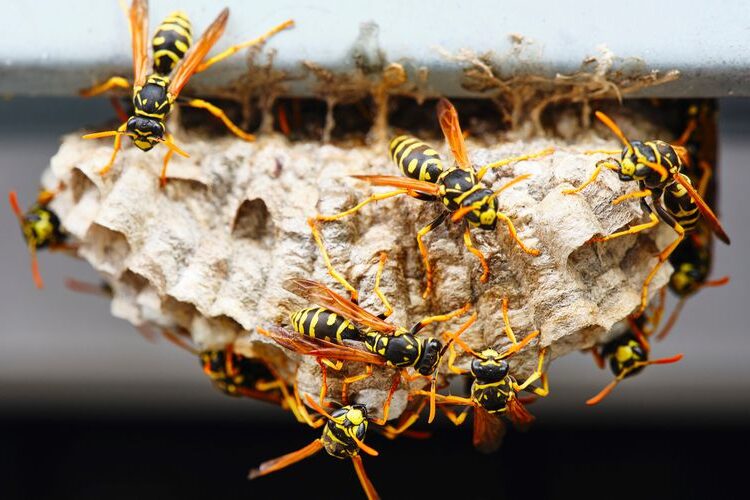
Nobody wants to be stung by a wasp. But what should you do if one flies into your home and refuses to leave, or starts circling you in the yard, garden, or on the patio?
Wasps are especially drawn to open windows during hot weather and often trigger panic, particularly among people who fear them. That fear is understandable: wasp stings are painful and can be life-threatening for people with allergies. Wasps are most aggressive toward the end of summer, when they actively search for water and sugary food. Still, there’s no need to panic — you can drive them away safely and humanely.
Water Instead of War
Many people instinctively wave their hands or blow at a wasp. This usually makes things worse, as it only irritates the insect. A far more effective solution is plain water.
Keep a spray bottle handy in summer — any clean bottle with a mist setting will do. Fill it with pure water. When you see a wasp, lightly spray in its direction. The insect will assume it’s raining and instinctively retreat back to its nest, according to Focus. Just make sure the bottle contains only water — no cleaning products or chemicals.
Scents Wasps Can’t Stand
If wasps keep hovering around your table or terrace, scent-based repellents can help.
Cloves: Place a few dried cloves in a bowl of water near fruit or desserts.
Ground coffee: Burn a small amount of coffee grounds in a fireproof dish — the smoke repels wasps and smells pleasant.
Avoid floral or sweet perfumes outdoors — they attract wasps instantly.
If You Get Stung
Wasp stings cause intense pain, burning, redness, and swelling. Unlike bees, wasps do not leave their stinger behind. The most dangerous stings occur in the mouth or throat, where swelling can block breathing. People with heart conditions, those taking beta-blockers, or anyone stung recently may experience stronger reactions.
Wash the area with soap and water, apply something cold, and take an antihistamine. Seek medical help immediately if you notice severe swelling, dizziness, or difficulty breathing.