
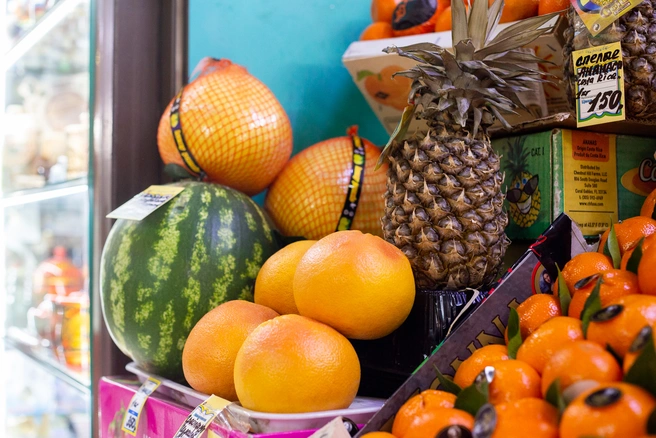
Nutritionists explained how the “weight-loss fruit” can turn into poison
Many people know that citrus fruits are a major source of vitamins and protection against colds, and grapefruit is considered an ideal diet product. But an important nuance often remains overlooked: when combined with common medications for blood pressure or cholesterol, this fruit can send a person to intensive care. So where does the benefit of grapefruit end and the real health risk begin?
What Grapefruit Really Contains
If we look at scientific data, we will not find anything “miraculous” about grapefruit itself. It is simply a healthy fruit: it contains a lot of fiber and some vitamins. No magic.
However, grapefruit seed extract is a completely different story. It is rich in bioflavonoids and vitamin C. These substances support the immune system, increase resistance to infections, help fight colds, and support the microbial balance of organs and tissues.
In this sense, the fruit itself is less potent than its extract.
The Main Danger
The situation with grapefruit juice is more serious. Citrus fruits, especially grapefruit, are rich in phytochemicals that are concentrated in the peel. Juices are often pressed together with the peel.
“One glass of grapefruit juice can change how your medications work for up to 72 hours due to substances called furanocoumarins. These compounds block intestinal enzymes responsible for the ‘primary processing’ of many drugs. The medication is not properly metabolized and enters the bloodstream in a higher dose — as if you had taken 2–4 times more tablets. The risk of toxic effects and liver stress increases sharply,” experts warn.
The consequences for different groups of medications can be serious. For statins that lower cholesterol, this increases the risk of myopathy and rhabdomyolysis (muscle tissue breakdown). For calcium channel blockers taken for hypertension, it can cause a sharp drop in blood pressure. For immunosuppressants, it can cause toxic effects on the body.
It is worth noting that furanocoumarins are also found in pomelo, bitter oranges (Seville oranges), and limes. Regular oranges and mandarins are safe.
“If you take any medications regularly, especially statins, blood pressure drugs, immunosuppressants, or antidepressants, avoid grapefruit and grapefruit juice for the entire course of treatment. Even one glass of juice can disrupt the treatment plan and harm your health,” specialists warn.