Spices and seasonings have long become an essential part of culinary art, turning simple dishes into true masterpieces of flavor. However, their value goes beyond just gastronomy.
Scientific studies confirm that many spices have antioxidant, anti-inflammatory, and antimicrobial properties, and some can even reduce the risk of cancer. But there is an important nuance: over time, spices lose not only their rich aroma but also their beneficial properties. Proper storage directly affects whether seasonings retain their value. Knowing shelf life and storage conditions helps avoid using spoiled products and allows you to get the most out of spices.
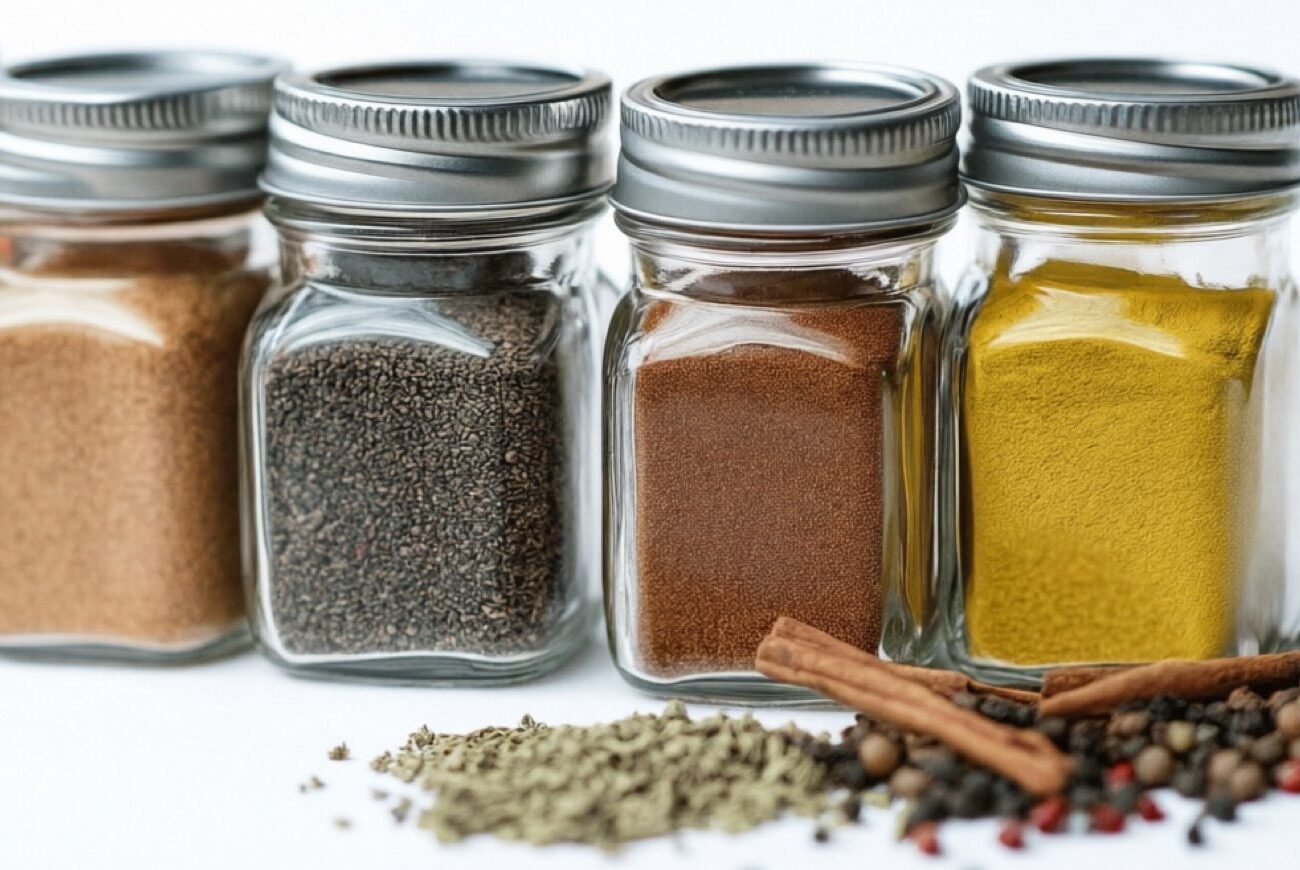
If stored properly, spices can retain their properties for up to two years. Different types of spices have different shelf lives. Whole spices — seeds, peppercorns, cinnamon sticks, cloves — are long-lasting and can retain their aroma and properties for 3–4 years. Ground spices are much less durable: once ground, spices can be stored only 1–2 years because they oxidize faster and lose essential oils more quickly.
Dried herb leaves, including basil, oregano, mint, and other greens, retain their quality for 1–2 years. Root spices in powdered form — such as ginger and turmeric — are also typically stored for one to two years. Ready-made spice blends, such as curry or khmeli-suneli, have a similar shelf life of 1–2 years because they contain ground ingredients.
The main enemy of spices is sunlight, which destroys essential oils and active compounds. Spices should be stored in closed cabinets protected from direct sunlight or kept in opaque containers. Humidity is no less dangerous: damp spices become a favorable environment for mold growth, which is dangerous to health. Therefore, spice jars should be kept away from the sink, stove, and heating radiators — sources of humidity and temperature fluctuations.
A common mistake is storing spices in the refrigerator. In the case of spices, cold temperatures do not extend shelf life but instead create conditions for condensation when temperatures change. The best place is a dry, closed cabinet at room temperature where a stable microclimate is maintained. It is also important to tightly close containers after each use to prevent aroma loss and moisture from getting inside.
You can identify spoiled spices by several signs: absence of the characteristic aroma, color changes, the appearance of clumps, or foreign particles. If a spice becomes damp or shows signs of mold, it must be thrown away immediately. Using spoiled spices can lead to food poisoning and other health problems.
Regularly checking your spice supplies will help you identify expired products in time and keep your kitchen cabinets organized.